Game rules
Monster Fusion Masters is a turn-based strategy game. Connect hexagonal tiles and close white regions to score. These are the basic rules currently used in the online edition.
Based on the June 2020 tabletop rules (Competitive Rule / Rule 20200629), with the digital-edition changes below. Updated: 2026-10-27.
- For some tile types, the old edition did not include variants with the center removed, so its tile selection differs slightly from the current edition.
- The old rules did not require a player to give up the round on the third consecutive PASS. The current edition adds this rule so that players cannot keep passing forever when nobody can place a tile.
- The digital edition adds a single-round format to reduce the time commitment of Ranked matches.
The other basic rules remain the same. The tile selection and rules below describe the current digital edition.
The hex board
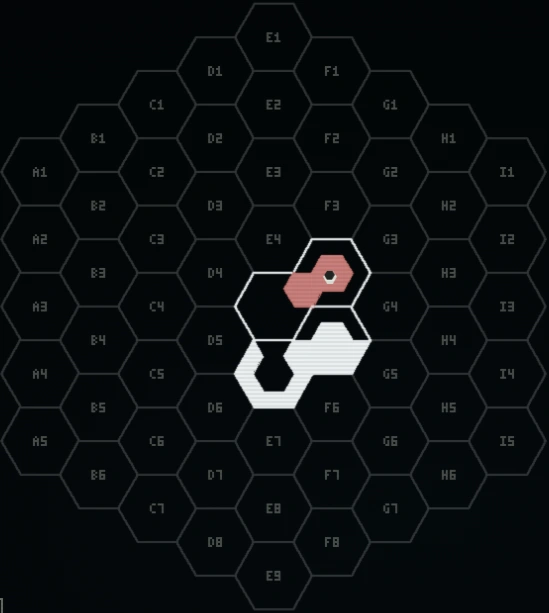
The board contains 61 hexagonal spaces: a center surrounded by four rings. Each space holds at most one tile. You cannot place a tile outside the board or on an occupied space.
Placed tiles affect the legal orientations and connections of neighboring spaces. Each move changes the combinations available for future turns.
Tiles & the deck
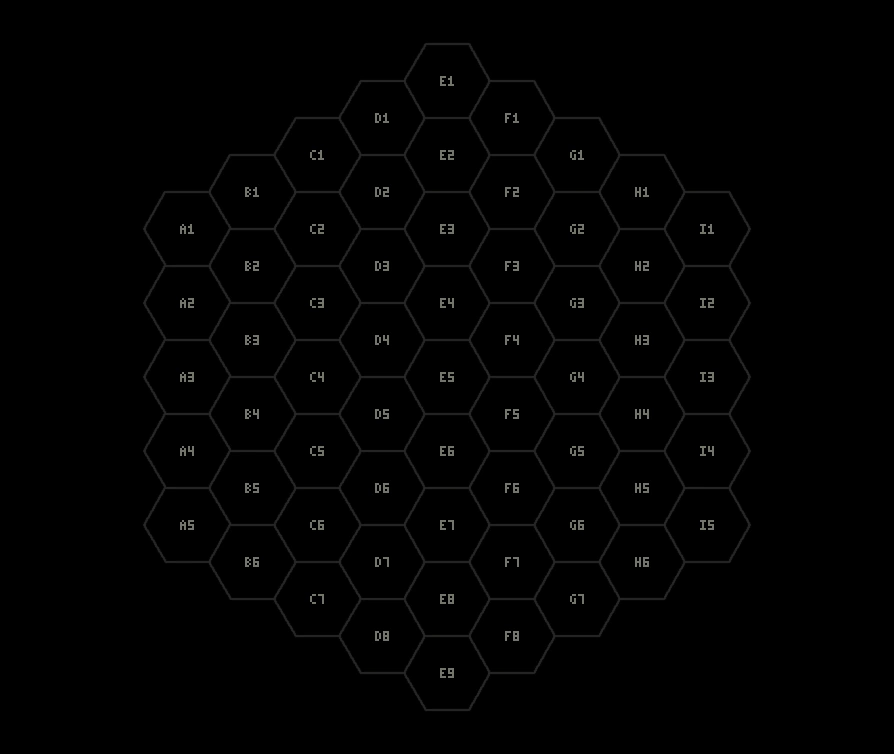
Each tile has six edges, each either white or black. There are seven categories, from 0 to 6 white edges. Tiles in the same category may have different edge arrangements and internal connections.
| White edges | Tiles per round |
|---|---|
| 0 | 2 |
| 1 | 16–30 |
| 2 | 8–15 |
| 3 | 8–15 |
| 4 | 4 |
| 5 | 2 |
| 6 | 2 |







These are the shapes shown in the in-game deck. Tiles can rotate; the number of illustrated shapes is not the number of tiles in a round.
Making a legal move
- Select a tile from your hand and rotate it to the desired orientation.
- Choose an empty space within the board.
- Every edge touching an existing tile must match: white to white, black to black.
- If any touching edge does not match, choose another orientation or space.
Use the placement preview to check legal moves. You can also rearrange your hand without changing the tiles themselves.
Connections, closure & DEAD
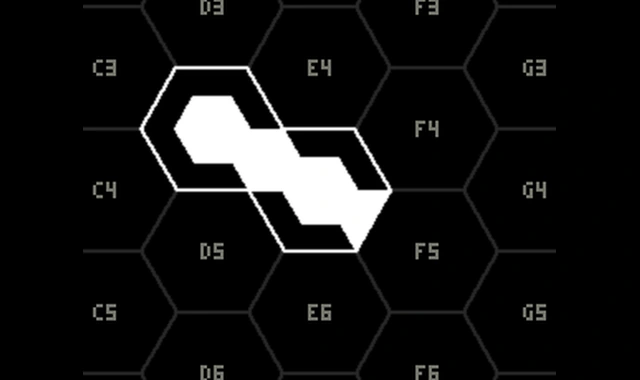
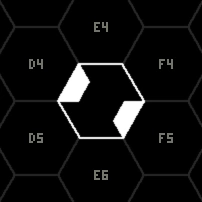
Matching white edges form one or more white regions according to the internal connections of each tile. Adjacent tiles do not necessarily join the same region: their white edges must also connect inside the tiles.
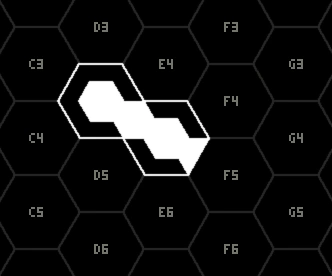
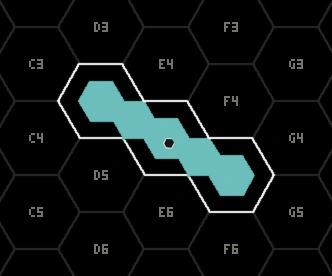
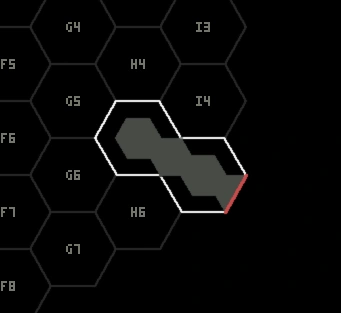
A white region with no open exits becomes a closed shape that can score. A region that has already scored cannot earn points again through repeated checks.
A white region extending beyond the board boundary has no space to continue and is marked DEAD. This is different from successful closure and does not count as a closed scoring region.
The same white edges can connect differently
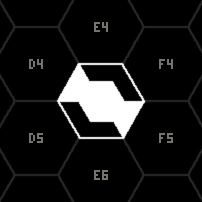
Closure scoring
A closed region's score depends on the number of distinct tile spaces covered by that white region.
Numbers identify distinct tile spaces. A space is counted once within the same region. Each example is a closure evaluated by the game.
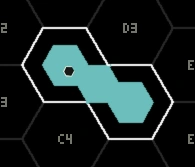 12
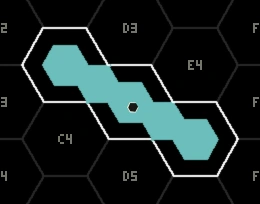 123
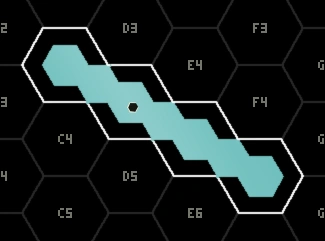 1234
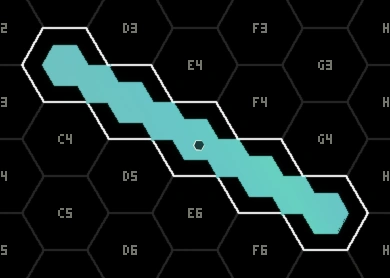 12345
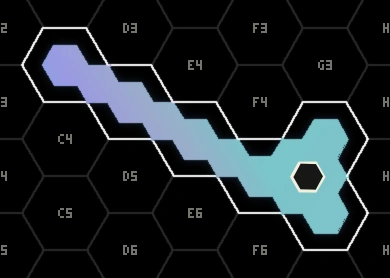 123456
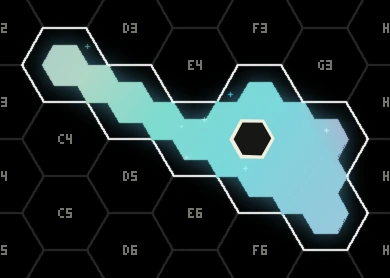 1234567
A single tile does not form a valid scoring region. Larger closed shapes usually earn more points, but require more care to keep their extensions safe.
Scoring quick reference
| Tiles in the closed region | Points |
|---|---|
| 2 | 1 |
| 3 | 2 |
| 4 | 4 |
| 5 | 7 |
| 6 | 10 |
| 7 or more | Number of tiles × 2 |
Turns, passing & matches
Each round starts with an initial hand. On a player's turn, tiles are drawn according to the available deck and hand limit. The player may place a tile or choose PASS.
3 consecutive passes eliminate the player from further participation in that round. Points already earned in the round are retained. A successful placement resets the consecutive-pass count according to the game flow.
Regular matches use 3 rounds; Ranked matches use 1 round. The final result follows the actual match format and settlement rules.